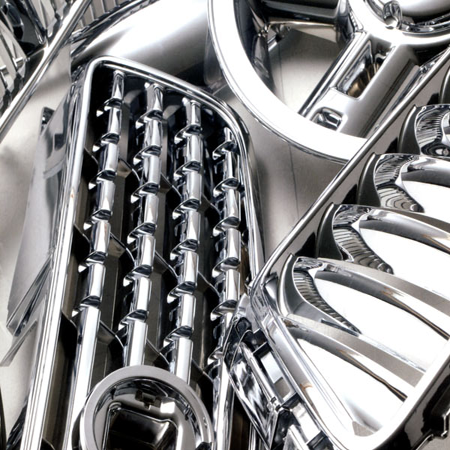
Bumper Strip. Skid Plate. Bezel. Chrome Grille. Car Accent Electroplating Services In Taiwan
GM, Chrysler, Ford Auto Parts Electroplating on Plastics Provider - Cherng Yi Hsing Plastic Plating Factory CO., LTD.
ASTM, ROHS, TS16949, IMDS, IEC 17025 - TAF Lab, JIS, ISO Electroplating Services
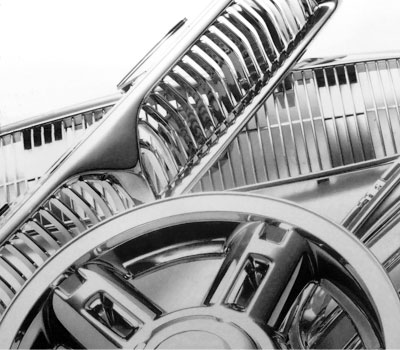
 Now you are on - GM, Chrysler, Ford Auto Part Plastic Plating Services- Cherng Yi Hsing
Big car brand's only choice - Cherng Yi Hsing Plastic Plating Factory CO.
Chrysler Group LLC, a major automotive company known in the industry for speed, style and innovation, cooperates with Cherng Yi Hsing Plastic Plating Factory CO., LTD. (CYH), a car parts electroplating services provider from Taiwan, to deliver high quality cars to global buyers.
Chrysler’s selection of CYH proves their quality electroplating on plastics skills, and that their obtaining of certifications and investment into their 3 plants are worthy. As an electroplating services provider, their solid reputation has allowed them to establish strong leadership in the aftermarket and OEM automotive market worldwide, regardless of whether it’s in Northern America, Europe, Australia, or elsewhere.
Cooperating with Chrysler is another great achievement after years of working for GM, which is the world's 2nd largest vehicle manufacturer that employs 202,000 people and does business in 157 countries.
| Car | Order item | Main Material | Finish Material |
|---|---|---|---|
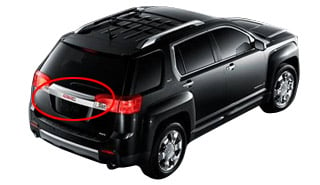 | GMT 177 GMC Terrain – Plastic Exterior Auto Trim Accessory | PC + ABS plastic (85%) | Thin decorative chrome layer (15%) |
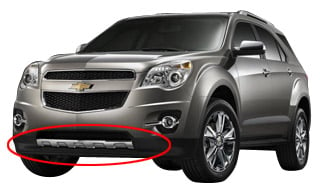 | GMT 172 Front Chevy Equinox – Plastic Exterior Auto Trim Accessory | PC + ABS plastic (85%) | Thin decorative chrome layer (15%) |
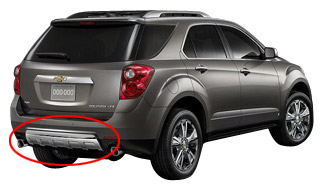 | GMT 172 Rear Chevy Equinox – Plastic Exterior Auto Trim Accessory | PC + ABS plastic(85%) | Thin decorative chrome layer (15%) |
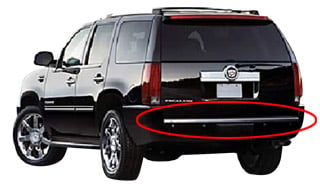 | GTM 900 Rr Decorated Strip - Plastic Exterior Auto Trim Accessory | PC + ABS plastic(85%) | Thin decorative chrome layer (15%) |
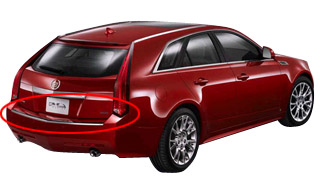 | GMX 206 Cadillac CTS – Plastic Exterior Auto Trim Accessory | ABS plastic (85%) | Thin decorative chrome layer (15%) |
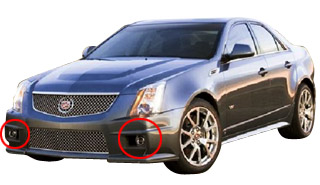 | GMX322-V Trim Ring – Plastic Exterior Auto Trim Accessory | PC + ABS plastic (85%) | Thin decorative chrome layer (15%) |
Total Order Amount in 2014
| Car | Order amount |
|---|---|
| 2011 Chrysler 300 | 367,460 |
| GM EQUINOX | 52,550 |
| GM TERRAIN | 17,700 |
| Cadillac CTS | 28,275 |
| 2011 Chevy Cruze | 167,680 |
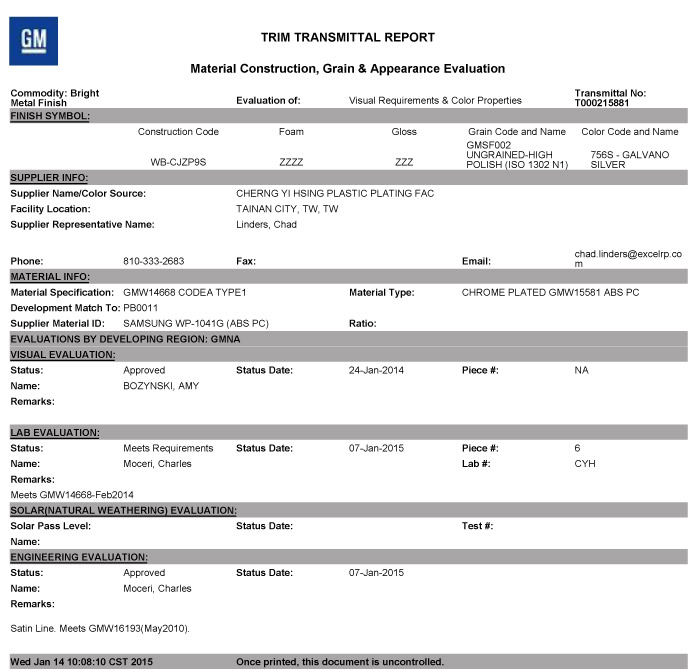
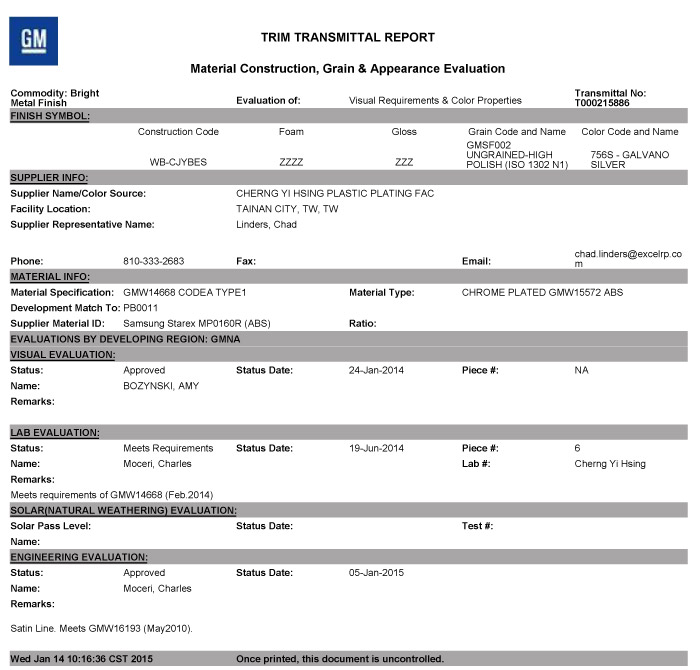
F63P ABS and ABS approval of GM's new color
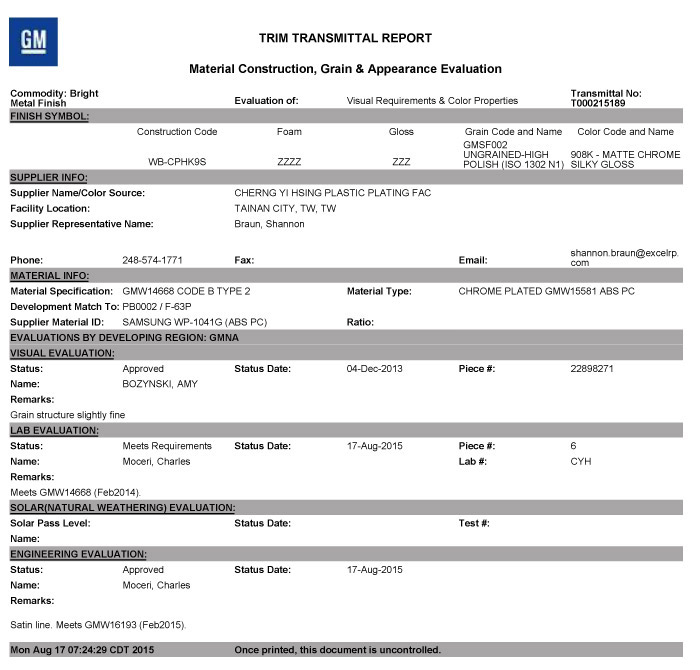
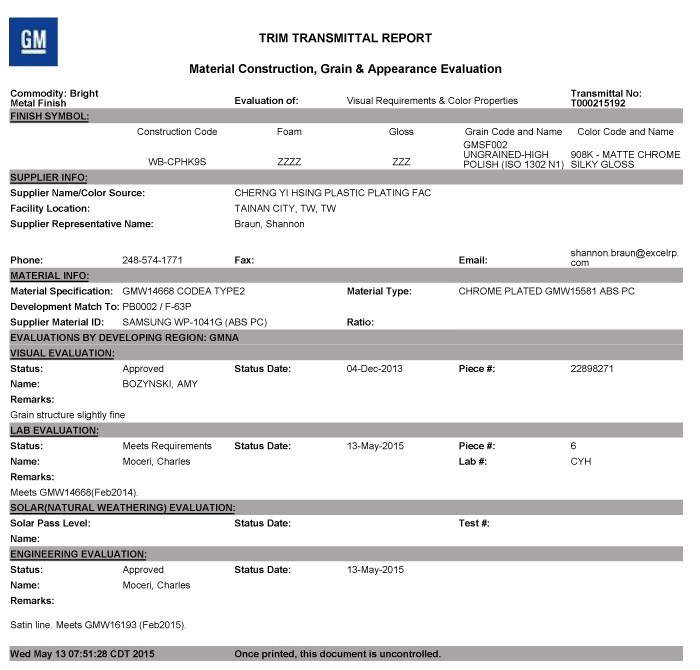
F90R ABS and ABS approval of GM's new color
| OEM chrome plating spec capabilities | |
|---|---|
| General Motors | GMW14668 (Approved to Nov 2010 spec!) |
| Chrysler | PS-8810 |
| Ford | WSB-M1P83-B2 |
| OEM chrome substrates resin spec capabilities | ||
|---|---|---|
| ABS | PC/ABS | |
| General Motors | GMW15572P-ABS-T5 | GM.PC/ABS.012 |
| Chrysler | MSDB197 | MSDB195 |
| Ford | WSB-M4D836-A | WSB-M4D813-A |
For the Chrysler '300' (Base, Limited, '-c', Luxury, Sport) series, chrome electroplating is conducted on car front part fog bezel assy - 'ACC', 'Fog' bezel assy, 'non' - fog bezel assy, and the rear and front chrome accents. For Chrysler '300'-Sport series, chrome electroplating is conducted at front and rear car accent. For Chrysler '300'-Sport, the front and rear car accent are chrome electroplated with painting. For Chrysler '300'-Lancia/BUX/SRT8, electroplating is conducted in front and rear car accent and car bezel.
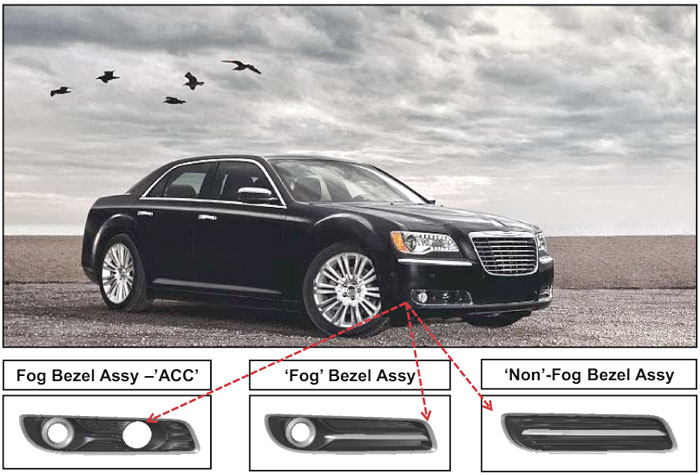
Chrysler '300' (Base, Limited, '-c', Luxury, Sport)
CYH is a nickel and chrome auto parts electroplating expert with 43-year of experience. There are three facilities with a total area of 15,200 sq-ft, and a 22,000 sq-ft warehouse located in the U.S. that plays an important role communicating with automotive OEM manufacturers and managing inventory to ensure client's great satisfaction. With all 160 employees working in Taiwan, all products are shipped on-time.
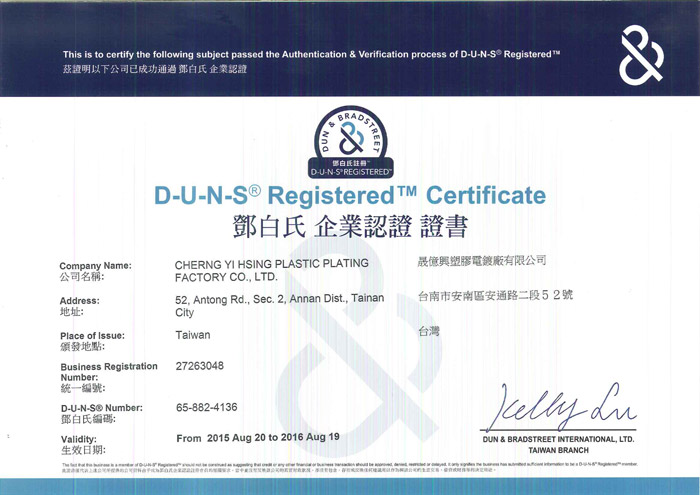
CYH's auto parts chromium plating on ABS plastic process lines and lab are fully certified, including IEC 17025 - TAF Lab Approval, ASTM, JIS, IMDS, GMW, ISO/TS 16949, ISO 9001, ROHS and Dunn & Bradstreet.
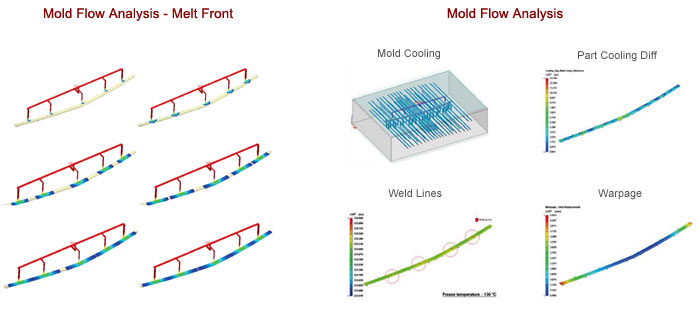
For every electroplated auto part, they are required to have no pits, pin hole, burn, roughness, blur or discolorations. In addition, rigorous tests are conducted at the lab including CASS resist test, thermal cycle test, spectra analysis, thickness measurement, microscopic pore count check and 90 degree adhesion tearing strength tester.



Send your Inquiry NOW to get the best competitive price!
Product Category

Search Related Products
 Next:
Next: